
By midsummer, many lawns start looking tired. Grass that was lush and green in spring may become brown, thin, or patchy, while weeds seem to spread overnight. Before you water more, fertilize, or reseed, it’s important to know which changes are normal summer stress—and which signal your lawn needs attention.
Key Takeaways:
- Brown grass during summer doesn’t always mean your lawn is dead—it may simply be dormant.
- Mow higher and water deeply rather than lightly every day to help reduce heat stress.
- As lawns thin, weeds quickly fill bare spots. Target existing weeds while they’re actively growing to help keep them from spreading.
- Avoid heavy fertilizing, seeding, and other major lawn repairs during extreme summer heat.
1. Is Your Lawn Heat-Stressed?
During hot weather, grass naturally shifts its energy from growth to survival. As temperatures climb, many lawns begin to slow down, lose color, and show signs of stress. While these changes can look alarming, they are often normal responses to summer heat and dry weather.
Does Your Lawn Look Like This?
If you notice one or more of these signs, your lawn is likely experiencing summer heat stress:
- Brown or yellow patches that weren’t there a few weeks ago.
- Grass that looks thinner than it did in spring.
- Footprints that linger after you walk across the lawn.
- Weeds filling in bare or thin spots.
- Grass growing much more slowly than it did in spring.
These symptoms are common during hot, dry weather and don’t always mean your lawn is dying. In many cases, simple changes to mowing and watering are enough to help it recover.
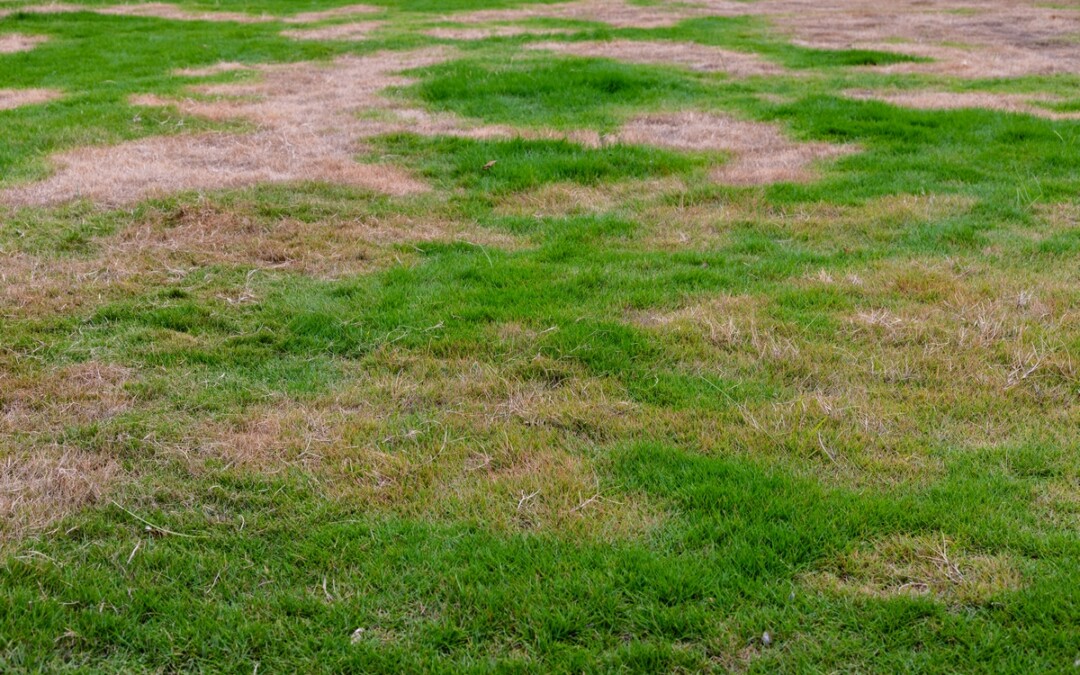
A lawn under heat stress often loses its bright green color and may take on a dull gray-green or brown appearance. Growth slows, the blades lose their spring, and previously healthy areas may begin thinning.
In many cases, brown grass does not mean the lawn is dead. Healthy turf can enter a temporary dormant state during drought or prolonged heat and recover when temperatures moderate and moisture returns.
 Many lawns develop brown patches during hot, dry weather. In many cases, the grass is dormant—not dead. Credit: Tim Daugherty
Brown Doesn’t Always Mean Dead
One of the biggest summer lawn mistakes is assuming brown grass needs immediate repair. Many cool-season grasses naturally enter dormancy during periods of prolonged heat or drought. Dormant grass may look dead, but it’s often simply protecting itself until growing conditions improve.
If your lawn has turned brown during a heat wave, you generally have two choices. You can keep the lawn actively growing if there is access to adequate moisture, or you can allow it to go dormant and focus on protecting it until cooler weather returns.
- To keep grass green: If you want to keep your lawn green through summer, be prepared to water regularly—and water deeply—during hot, dry weather.
- To allow dormancy: Continue mowing at 3 inches or higher, minimize foot traffic, and avoid practices that place additional stress on the lawn.
In either case, avoid heavy fertilizer applications and major lawn renovations during extreme summer heat. Most cool-season lawns recover more successfully when significant repairs are postponed until fall.
2. Avoid Common Summer Lawn Mistakes
When a lawn starts looking rough, it’s tempting to fix everything at once. However, midsummer is often the worst time for major lawn repairs.
Don’t mow too short
Scalping the lawn removes valuable leaf tissue that helps grass produce energy. Taller grass shades the soil, keeps roots cooler, and reduces moisture loss. During summer, keep most cool-season lawns at about 3 inches or higher to help the grass stay cooler and handle dry weather better.
Don’t overfertilize
Heavy fertilizer applications encourage lots of leafy growth. Excess growth can increase stress, water demand, and susceptibility to disease during hot weather.
Don’t force major repairs
Seeding, aggressive dethatching, and other disruptive lawn projects are usually better saved for cooler conditions. Summer heat makes it difficult for new grass seedlings to establish strong roots.
Don’t water lightly every day
Frequent shallow watering encourages shallow roots. Instead, soak the soil thoroughly so roots grow deeper, where moisture remains available longer.
3. Help Your Lawn Survive Summer Stress
Summer is usually a time to protect your lawn—not rebuild it.
Summer lawn care is less about improving appearance and more about helping turf survive until cooler weather returns.
 Deep watering with a sprinkler helps lawns withstand hot, dry weather better than frequent light sprinkling. Credit: Natalia Bulatova
Water deeply, not lightly
During dry weather, let sprinklers run about 20 to 30 minutes per zone (depending on your system) so the water soaks several inches into the soil, rather than giving the lawn a quick daily sprinkle. Most established lawns need about 1 inch of water per week from rainfall or irrigation. Water early in the morning so more moisture reaches the roots and the grass dries quickly, reducing the risk of disease.
Keep mower blades sharp
Dull blades tear grass rather than cutting it cleanly. Torn leaf tips lose moisture more quickly and can make lawns appear brown even when adequate water is available.
Reduce traffic on stressed turf
Grass weakened by heat recovers slowly from foot traffic, pet activity, and equipment use. If portions of the lawn are already showing signs of drought stress, limit traffic whenever possible.
Let dormant grass rest
If a lawn has gone dormant during an extended drought, avoid excessive traffic and unnecessary maintenance. Dormant turf is conserving energy and often recovers when growing conditions improve.
4. Why Weeds Seem to Take Over in Summer
Ever notice that weeds seem perfectly happy during the hottest part of the year?
Many weeds thrive when lawn grass struggles. As the lawn thins, more sunlight reaches the soil, creating an opportunity for weeds to spread.
Unlike spring weed preventers, summer weed treatments are meant for weeds that are already growing and competing with your lawn.
Crabgrass is a good example. It loves summer heat and often appears just when homeowners think their lawn should be looking its best.
The best defense is a healthy lawn, but once weeds are established, they can quickly compete with grass for space, moisture, and sunlight.
Treat Weeds Carefully During Hot Weather
Summer weed control requires a little patience. If the lawn is severely drought-stressed, it’s often better to avoid treating until conditions improve.
When weeds are actively growing, many homeowners choose an all-in-one lawn weed-control product like this one when they want to target existing weeds without harming established lawn grass (when used as directed).
Afterward, continue mowing high and watering properly so the lawn can naturally become thicker and more competitive.
What to Do this Weekend
- Check for stress: Look for footprints that linger, gray-green discoloration, thinning grass, or dry areas.
- Raise the mower: Set the mower to 3 inches or higher to help shade roots and reduce moisture loss.
- Water wisely: Water deeply if rainfall has been limited rather than applying frequent light irrigation.
- Spot-treat weeds: Address visible weeds while they are actively growing, but avoid treating severely drought-stressed turf.
5. Plan Ahead for Fall Recovery
If your lawn has become thin or patchy during summer, resist the urge to overhaul it now. For many cool-season lawns, early fall provides the best opportunity for significant improvement.
Cooler temperatures, more consistent rainfall, and reduced heat stress create ideal conditions for overseeding, repairing bare spots, aerating compacted soil, and rebuilding lawn density.
The goal in midsummer is often simple: protect the turf you have today so it can recover more quickly when favorable growing conditions return.
The Bottom Line
Summer can be tough on lawns. Heat, drought, and heavy use often lead to thinning grass, brown patches, and more weeds.
Fortunately, many of these changes are temporary. Focus on protecting the lawn rather than forcing growth. Mow high, water deeply when needed, minimize additional stress, and manage weeds carefully.
A lawn that survives summer stress with a healthy root system is well positioned to rebound when cooler weather arrives.
Summer Lawn FAQ
Is my brown lawn dead or dormant?
Brown does not necessarily mean dead. Dormant grass may look dead, but it often recovers once temperatures moderate and moisture becomes available.
Should I fertilize a stressed lawn in summer?
Heavy fertilization is generally not recommended during periods of heat stress. Excessive growth can increase stress and water demand.
Why does my lawn look thinner in July than it did in May?
Summer heat slows grass growth and can reduce turf density. As the lawn thins, weeds often become more noticeable.
Is summer a good time to overseed?
In most regions, cool-season lawns establish more successfully in early fall. Summer heat makes it difficult for young seedlings to survive and develop strong roots.